


Impact Investing
Democratizing Capital
New laws enabling ordinary people to become equity investors have the potential to uplift marginalized communities, if the new market creates the infrastructure to include them.

New laws enabling ordinary people to become equity investors have the potential to uplift marginalized communities, if the new market creates the infrastructure to include them.

Far from constraining foundations, donor intent protects them from short-term thinking and liberates their creativity.

Police violence leads to worse educational outcomes and youth mental health in the immediate vicinity of incidents.

Intergenerational home-sharing provides younger adults with affordable housing and older adults with needed income and a way to age in place.

Neighborhood investment trusts can help create more inclusive economies in cities and restore the fabric of US democracy.

Rick Doblin launched the Multidisciplinary Association for Psychedelic Studies in 1986 to research and advocate for the use of LSD, magic mushrooms, and Ecstasy to treat mental illness. After more than three decades of labor, he has found his moment.

Research-practice partnerships can help academic researchers and school district leaders discover what works for schools and classrooms.
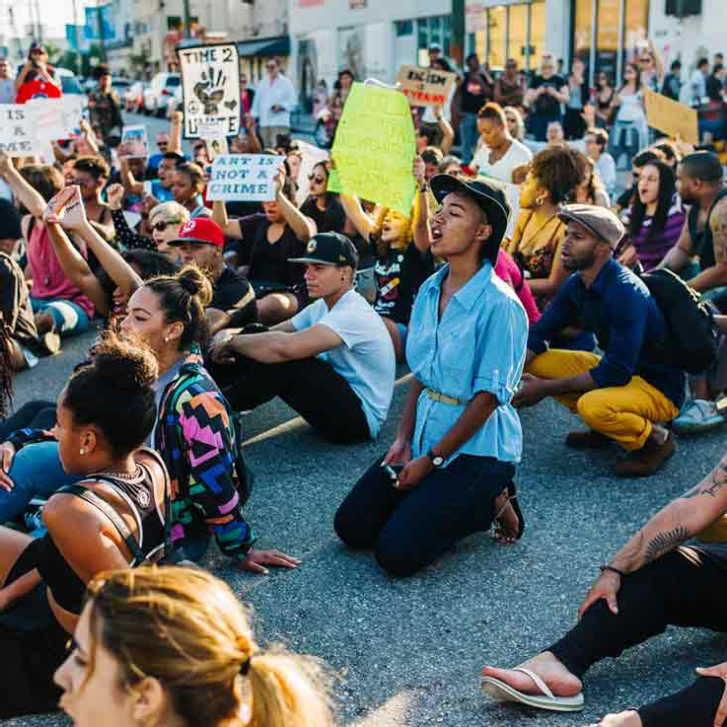
Protest actions seen as extreme and highly disruptive diminish popular support.
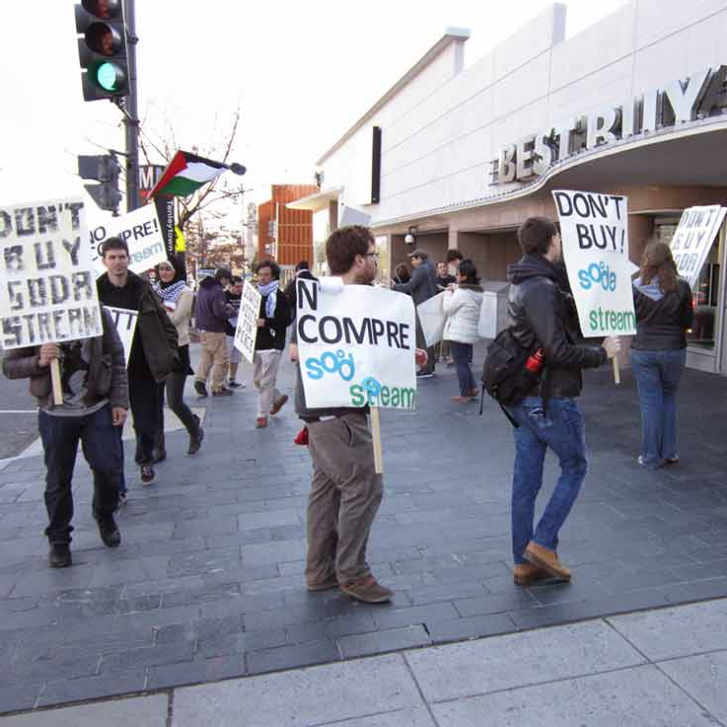
Social movement boycotts increase board turnover, especially when board members are sympathetic to the cause at issue.

Wealthy nations are making large purchases of approved coronavirus vaccines, leaving other countries to wait longer to acquire the vaccine.